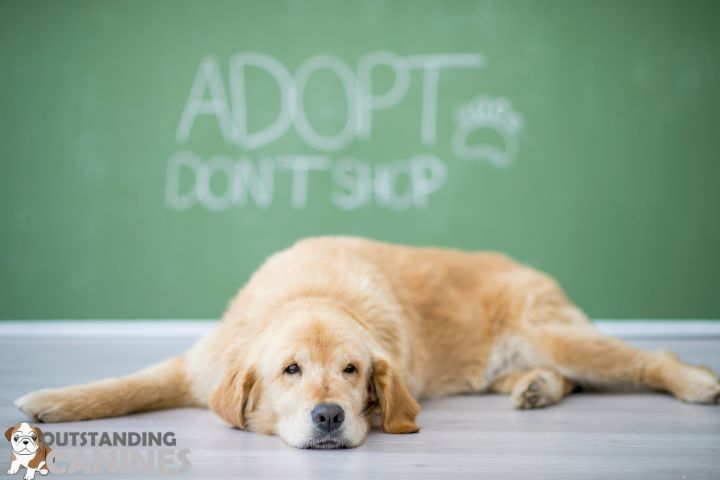
Preparing for your first puppy is a joyful and interesting event. Still, it also means obligations and difficulties. First-time puppy adoption tips call for commitment, planning, and wise decisions rather than only a wonderful friend. Living in Vancouver, Canada, the experience is far more rewarding given the pet-friendly facilities and energetic outside areas. Applying the right beginner puppy care guidelines can allow you to ensure the success of your first-time puppy adoption. From choosing the right puppy to learning first-time puppy parent tips, our comprehensive tips for adopting a puppy will help you negotiate everything.
1. Research the Right Breed for Your Lifestyle
The most important new puppy adoption advice is: The breed best matched for your way of life will be among the most important choices you will have to make about a puppy. Every breed has unique traits, energy level, and care requirements; so, it is essential to choose one that fits your daily life and environment. In Vancouver, for instance, a city known for its vibrant outdoor scene, you could find yourself drawn to breeds that like regular outdoor activity. High energy dogs— Labrador Retrievers, Golden Retrievers, Border Collies—like environments where they might explore parks, beaches, and hiking trails. These breeds would be ideal for active owners since they seek plenty of both mental and physical activity.
Conversely, if you live in a small urban apartment and want a breed more fit for less room and lower energy levels, Apartment life is more suited for compact breeds with generally more relaxed temperaments, such French Bulldogs, Cavalier King Charles Spaniels, or Dachshunds. Important factors to consider also are probable size, grooming needs, and disposition.
So as the first tip of our first-time puppy adoption tips list, remember that First-time puppy owners may benefit from selecting breeds noted for their simplicity in training and handling, such Poodles or Golden Retrievers. Recall that a puppy will at last grow into an adult dog; so, consider long-term commitment and choose a breed that will fit your way of life for years to come.
2. Evaluate Your Commitment
Adopting a puppy is a lifetime commitment; so, it is advisable to assess your current way of life and whether you are ready for the responsibility before deciding to bring a new furry friend into your life. Puppies, especially in their early developmental stages are demanding and require consistent time, money, and care. Consider whether your everyday calendar allows enough time for walks, playfulness, socializing, and training. Puppies need a lot of attention; the first few months will be used to teach them simple commands, encourage them to fit their new environment, and ensure they feel safe and loved.
Financially speaking, raising a puppy comes with expenses beyond just the adoption fee. Soon to mount up are regular veterinarian appointments, immunizations, grooming, training classes, premium food, other products including toys, bedding, and leashes. Vancouver’s somewhat high cost of living implies that you must be sure you have the means to properly care for your puppy over the long run. Notwithstanding the challenges, the advantages of having a well-kept puppy that becomes a devoted friend considerably outweigh the initial cost. So, the most important part of the puppy adoption requirements is: If you are sure you can meet these demands and ready to take on the responsibility, adopting a puppy will be a very rewarding experience.

3. Prepare Your Home
Mostly, making sure a new puppy is safe and comfortable comes from preparing your house for them. Puppies are naturally curious and quick into anything that could be dangerous, such sharp objects, home cleaners, or electrical cord. To try to prevent any mishaps, start puppy-proofing your house by removing any poisonous plants, little objects that might be consumed, and locking harmful objects out of reach. If you have stairs, consider erecting baby gates to limit your puppy’s access to particular areas of the house.
Establishing a specific secure area is also quite important for getting your dog ready. When your dog wants relaxation or leisure, it should withdraw in a calm, cozy space. Having a spot close to your Vancouver house where wet conditions are frequent will help you to wipe the paws of your dog following outside walks. This will help to maintain your house spotless and stop dirt from all around from spreading. The safety and house training of your puppy rely on your also making investments in a premium crate. When you’re not at home or need to restrict its movement, the crate will be a useful tool and give your puppy a comfortable place to relax.
4. Gather the Essentials
The fourth tip of our first-time puppy adoption tips is: Making sure you have all the necessary supplies will help to ensure the smooth arrival of your new puppy at your house. These include a comfortable bed for your dog to relax, easily cleaned food and water containers, and a collar and leash for walks and training. Puppies also need toys to help with teething and to keep them mentally busy; so, be sure to have a variety of interactive toys, balls, and chew toys. Your puppy’s growth depends on good quality food; hence you should contact a veterinarian for recommendations on the best diet for your specific breed and age.
Vancouver’s many pet stores, including Tisol and Bosley’s, have a range of products meant especially for first-time puppy owners. Vancouver’s usually rainy weather might make you want to check a waterproof dog jacket to keep your puppy dry on walks. You will also need grooming items including brushes and nail cutters to help your puppy preserve its coat. Having all the fundamentals ready before your puppy arrives will enable you to make the move to their new home much smoother and ensure their comfort and well-being right from the start.
5. Schedule a Veterinary Visit
Fifth out first-time puppy adoption tips is arranging a veterinarian appointment to ensure your puppy’s he. A Thoroughgood condition should be one of the first things you should do after you have adopted them A thorough health check-up will help you to confirm that your puppy is parasite free and current on immunizations. Puppies are especially prone to infections, hence early care of any health problems is crucial and you should establish rapport with a qualified veterinarian. On important topics including general health care, spaying or neutering, and parasite management, your veterinarian will also provide guidance.
Your puppy can be seen for their first visit at several reputable Vancouver veterinarian’s offices. Usually offering health plans and services fit for the specific needs of puppies, including immunization schedules, microchipping, and dental care, these clinics also Regular veterinarian visits will ensure your puppy remains healthy over their lifetime and enable monitoring of their growth. Developing a good relationship with your veterinarian early on can assist you to address any concerns or questions you might have regarding the welfare or health of your puppy and direct your treatment options.

6. Begin Socialization Early
Socializing is one of the most important components of raising a confident and balanced dog. Early weeks and months of life for your puppy are incredibly crucial for exposing them to new environments, people, animals, and experiences. So as the sixth of our first-time puppy adoption tips remember that early socializing helps you avoid later on in life behavioral problems include anxiety or resentment toward unusual events. Pet-friendly parks, cafes, and dog events in Vancouver are excellent opportunities for controlled socializing—where your puppy may interact safely with other dogs and people.
Socializing with your dog should start slowly and at a pace they find comfortable. As you increasingly expose them to new environments with different sounds, sights, and smells, praise and rewards for excellent conduct. Puppy training courses are among the finest ways you can teach your dog basic commands and enable it to interact under control with other dogs. These teachings also offer excellent opportunities for building trust and connection with your puppy, which will enable you create a strong platform for a content, well-adjusted adult dog.
7. Establish a Routine
Puppies need consistency and stability; these help them to feel safe and to know what to expect. Your daily feeding, walking, playfulness, and rest schedule will determine the state of health of your puppy. Apart from guiding your puppy toward appropriate behavior, a consistent regimen helps to reduce anxiety and give stability. Regular mealtimes, potty breaks, and sleep patterns will help your puppy develop great confidence in you as their caregiver.
To fit your calendar, enjoy daily walks in Vancouver’s beautiful parks, such Stanley Park or trekking along one of the countless dog-friendly routes. Over time, your puppy will come to know their new schedule; both of you will appreciate the stability and comfort that follows. A regular schedule also helps you to manage your puppy’s needs and keeps you neat while you negotiate the responsibilities of a first-time puppy parent.
8. Start Training Immediately
Training should start as soon as you get your puppy home. This is the most important part of our first-time puppy adoption tips. Starting early can let you teach your puppy fundamental commands and shape their behavior more easily. Good conduct starts with simple commands like “sit,” “stay,” “come,” and “leave it,” which also serve to assure your puppy’s safety in many contexts. To inspire your puppy and honor good behavior, use positive reinforcement techniques include food and compliments. Aim for numerous, quick training activities all day since short, consistent sessions are more beneficial than drawn-out ones.
Professional trainers and Vancouver puppy classes can help you through the training process and provide professional guidance on how to handle behavioral issues and guarantee your puppy grows into a well-adjusted adult dog. Early instruction improves your bond with your puppy in addition to setting limits and promoting good behavior. Long term, the time and effort you spend in training will pay off and produce a well-adjusted, obedient dog that is delighted to be around.
9. Crate Train Your Puppy
House training as well as giving your puppy a safe and secure place to relax benefit from crate training. A correctly sized crate will let your puppy stand up, turn around, and comfortably sleep down. Start your dog in the crate as a positive area by stuffing toys, treats, and blankets within. The crate should be a location where your puppy feels safe and calm; never use it as a kind of punishment.
Key in crate training are consistency and patience. Your puppy will learn over time to link the crate with comfort and safety, therefore helping to lower anxiety and stop destructive activity when you are not home. Particularly helpful throughout the housebreaking process is crate training since it teaches your puppy to contain their bladder and follow a regular pee schedule. Apart from offering protection when you’re not home, a crate could enable your puppy to feel more confident and comfortable in their surroundings.
10. Focus on Proper Nutrition
Growth, development, and general health of your puppy depend on proper dog nutrition. Puppies have different dietary needs than adult dogs; so, it is crucial to give them a balanced food that meets their needs. Superior puppy chow has the correct balance of nutrients, lipids, and protein required for normal development. For ideas on the best diet for your puppy’s breed, age, and size, see your veterinarian. To make sure your puppy is developing at a reasonable pace, make sure you follow the feeding recommendations on the food container and track their weight.
Training also include nutrition since rewards for excellent behavior come from goodies. Choose low-calorie, healthful training treats for your puppy that promote their condition without overindulging them. Giving your puppy top priority for nourishment can help it develop into a happy, energetic, and healthy adult dog. So Focus on Dog Nutrition is another crucial pat of any first-time puppy adoption tips.
11. Exercise and Play Daily
Another part of our first-time puppy adoption list is focusing on Physical and Mental health! The physical and mental health of your dog depend on regular exercise. Puppy energy levels and exercise requirements vary based on breed. While some breeds—such as French Bulldogs—may be happy with shorter walks, others, including Border Collies, may demand more activity. Whatever the breed, frequent exercise is crucial for maintaining your puppy’s health, burning off extra energy, and avoiding boredom. Walking, running, or playing fetch are among the outside activities that provide great chances for quality time with your puppy, thereby strengthening the link between you and her.
Parks and outdoor areas in Vancouver offer your puppy great venues for socializing with other dogs and receive exercise. Active breeds that require more demanding exercise may find ideal dog-friendly paths such as those found in Pacific Spirit Regional Park. As too much exercise too early might damage their developing joints and bones, make sure your puppy’s exercise regimen matches their age and development. See your veterinarian always to be sure your puppy is getting the appropriate level of exercise for their breed and stage of life.
12. Provide Mental Stimulation
Mental stimulation is another important part of any first-time puppy adoption list! Your puppy’s development depends on mental stimulation, much as from physical exercise. Puppies are inherently interested, hence giving them interesting tasks challenging their brains helps avoid boredom and destructive behavior. Perfect tools for brain enrichment are interactive feeders, puzzle toys, and training games. These exercises help your puppy solve problems, foster independent thinking, and stop anxiety-related behavior such furniture chewing.
Frequent rotation of toys keeps your puppy occupied and fascinated in their surroundings. To keep their minds alert, you may also add fresh activities include teaching them new tricks or concealing treats. Offering lots of cerebral stimulation will help your puppy grow into a balanced, content, and well-adjusted adult dog.

13. Groom Your Puppy Regularly
Maintaining your puppy’s comfort, hygiene, and health depends on regular grooming. The breed will determine whether some puppies need more regular grooming. Long-haired species like Poodles or Shih Tzus, for instance, need frequent brushing to avoid mats and tangles; short-haired varieties like Beagles may need less maintenance. Regular brushing is a great way to check for any skin problems or parasites as well as help remove loose hair, grime, and trash regardless of coat type.
Grooming your dog also entails scrubbing their teeth, cleaning their ears, and nail cutting. Start these grooming techniques slowly to make sure your puppy finds the process comfortable. Since regular grooming is a one-on- one activity that builds trust, it also helps your bond with your puppy to be strengthened. Puppy grooming salons abound in Vancouver, where you may pick up appropriate grooming skills or, when necessary, take your puppy for expert care.
14. Learn About Puppy Health Needs
The general well-being of your puppy depends on an awareness of their health needs. Just because of this, health needs of your pet is an important part of our first-time puppy adoption tips list! Puppies are more susceptible to infections and health problems, hence it is crucial to be educated about typical health issues, immunization programs, and parasite avoidance strategies. Based on their age and breed, your veterinarian can advise on what vaccinations your puppy requires as well as on how to keep them healthy all their lives.
Apart from routine veterinary checkups, your puppy’s health depends critically on appropriate dental cleanliness, parasite control, weight control, and maintenance of regularity. Maintaining preventative care guarantees your puppy develops into a happy and healthy adult dog. Keeping informed and proactive will help your puppy start life in the best possible shape.
15. Build a Strong Bond
Trust is the last part of our first-time puppy adoption tips list! Developing a trusting, loving relationship that will last a lifetime depends on you strengthening your bond with your puppy. Spend time with him doing affection, training, and play. Early on trust building can help you to assist your puppy through their developmental phases and manage any obstacles. Your puppy looks to you for protection, direction, and affection; a solid link enables them to feel confident and protected.
Vancouver’s outdoor scene allows you to explore parks, beaches, and paths alongside your dog. Including pursuits you and your dog enjoy will help to strengthen your relationship. Whether it’s a stroll across Stanley Park or curling up on the couch, these times build lifelong memories and set the groundwork for a loving and contented relationship.
Final Thoughts
Choosing to adopt a puppy changes your life and calls for love, dedication, and readiness. Following these first-time puppy adoption tips will help you to guarantee a seamless transition for you and your new pet. Using the correct strategy will help you to enjoy the trip as your puppy develops into a devoted and loving part of your household. Value the time and keep in mind that the work you do now will lead a lifetime of happiness and companionship.